

Welcome to the wonderful world of active learning, where our kids aren’t just passive sponges soaking up information but rather dynamic participants in their own education. Imagine a classroom filled with curious minds, excitedly exploring new concepts, rather than just memorizing facts for a test. Sounds dreamy, right? Well, we’re here to make that dream a reality in our own homes. So, grab your favorite mug of coffee, or maybe a good old snack, and let’s jump into how we can harness the power of active learning to spark our children’s passion for discovery.
active learning guide fparentips
Active learning is all about engaging our children in the learning process. It invites them to participate, think critically, and collaborate. Instead of just absorbing information, our kids become explorers. Research shows that when children are active participants in their learning, they retain information better and develop a deeper understanding of the subject matter. It’s not just about making learning fun: it’s about making it meaningful. So, how do we get started with this educational adventure?
Benefits of Active Learning for Children
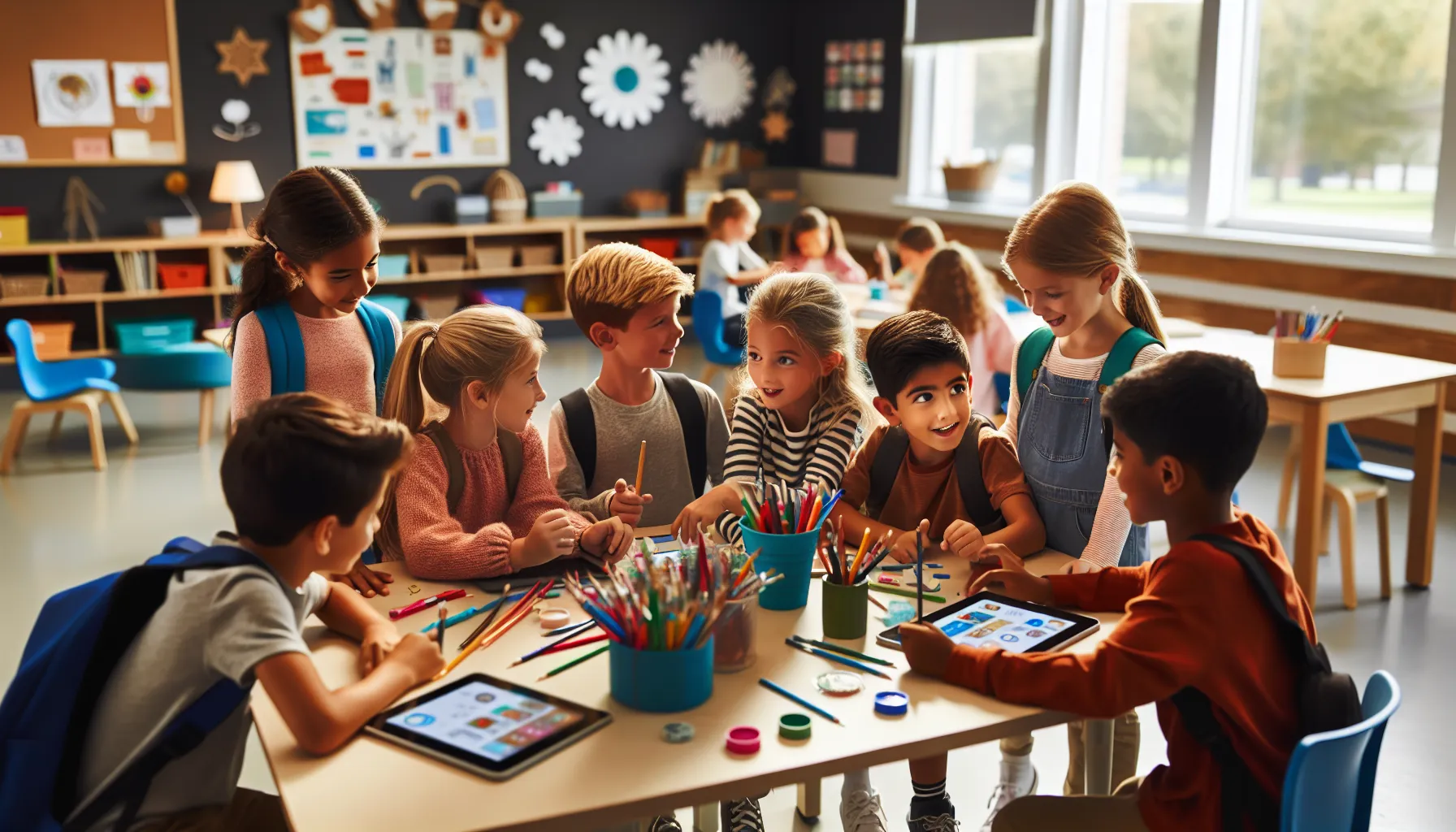
The perks of active learning are vast and varied. First, let’s talk about engagement. Kids who learn actively tend to enjoy the process more, leading to a love of learning that lasts a lifetime. This approach also fosters critical thinking skills. When our children confront real problems and seek solutions, they’re building skills that will serve them well throughout their lives.
Also, active learning promotes collaboration. Kids work together, share ideas, and learn the importance of teamwork. Plus, it helps develop their communication skills. Throw in increased motivation and a boost in self-esteem when they successfully tackle challenges, and it’s a win-win for everyone involved.
Strategies for Implementing Active Learning at Home

So, how do we bring this vibrant, engaging approach into our homes? Here’s where the fun really begins.
Creating a Supportive Environment
A supportive environment is crucial. We should set up a dedicated space where our kids can explore, create, and question freely. This might mean art supplies, building materials, or even simple household items. Encourage our little ones to manipulate these items rather than just look at them. Make the space inviting so they feel inspired to learn.
Encouraging Curiosity and Exploration
Next, let’s make curiosity our best friend. We can ask open-ended questions that stimulate thought. Instead of asking, “Did you finish your assignments?” try, “What was the most interesting thing you learned today?” This sparks conversations and invites exploration. Let’s encourage them to pursue their interests, if they’re fascinated by dinosaurs, let them investigate fossils and dig deeper into that world.
Incorporating Technology and Interactive Tools
And let’s not forget about technology. There are countless educational apps and online resources that promote active learning. We can use interactive tools like quizzes or videos that adjust to their learning pace. Collaborative platforms like Google Classroom can also provide a space for teamwork. Technology, when used wisely, can be a powerful ally in our quest for engaged learners.Monitoring Progress and Encouraging Reflection
Monitoring our children’s progress is just as important as kicking things off. Regular check-ins help us understand how they’re processing information. We can engage in discussions about what they’ve learned and what challenges they’re facing. This reflection is key, it helps kids think critically about their learning process.
Encourage them to think back on their experiences. We can ask questions like, “What did you find challenging? How did you overcome it?” This encourages them to articulate their understanding and see learning as an ongoing journey.