
Let’s start with a scene most digital marketing professionals know all too well.
You’ve launched a campaign. Ads are live. Social posts are performing. Email open rates look solid. Traffic is coming in… and then the results stall. Conversions are lower than expected. Bounce rates are high. Someone inevitably asks, “Is the messaging off?”
Sometimes, it’s not the message at all.
It’s the speed.
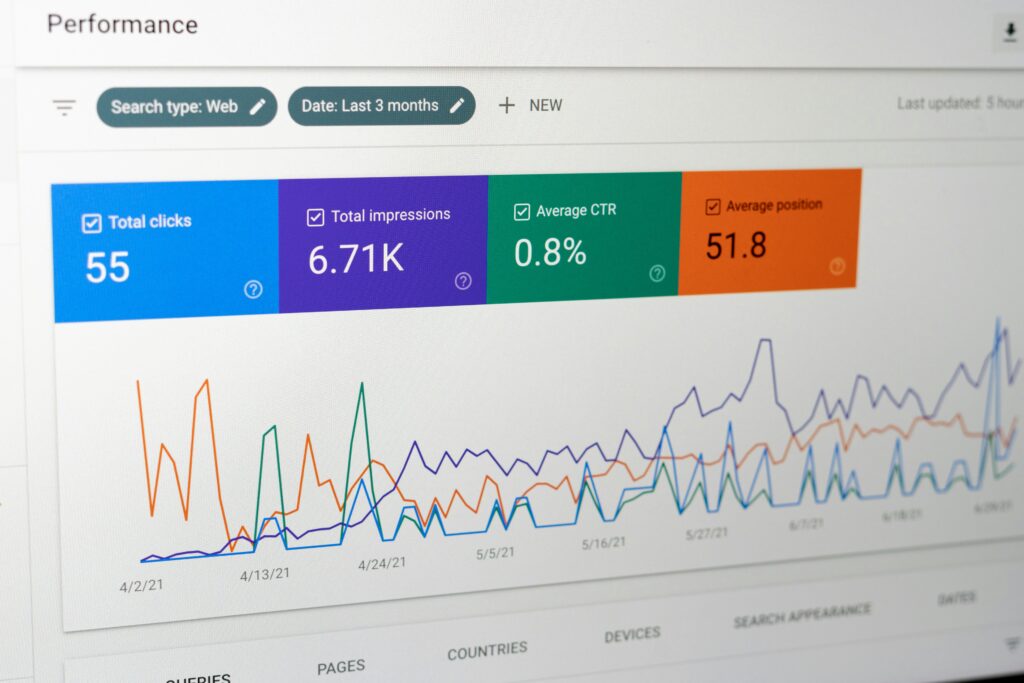
Website speed is one of those behind-the-scenes factors that quietly decides whether your marketing efforts shine or fall flat. It doesn’t get the spotlight like branding or copywriting, but it has a direct, measurable impact on nearly every digital marketing metric that matters.
And the effects are often bigger than people expect.
Speed Is the First Impression You Don’t Control
Before visitors read your headline, scan your visuals, or even register your brand name, they experience one thing first: how fast your site loads.
That load time is your first impression.
A slow website immediately creates friction. It signals (even subconsciously) that the experience ahead might be frustrating, outdated, or unreliable. Users don’t usually analyze this feeling — they just leave.
From a marketing perspective, that’s brutal. You can spend months perfecting campaigns, only to lose prospects in the first two seconds because your site couldn’t keep up.
Where Website Speed Starts Affecting Marketing Results
Website speed doesn’t usually announce itself as the problem.
When marketing results dip, teams look at the obvious things first: messaging, targeting, creative, offers. Speed rarely tops the list, even though it quietly shapes how all of those elements perform once traffic arrives.
That’s because speed doesn’t impact marketing in one single moment. It affects what happens before users engage, while they’re deciding whether to stay, and right when they’re about to act.
A slow website doesn’t just make things feel frustrating. It changes behavior. People leave sooner. They interact less. They hesitate more. And when that happens at scale, the downstream effects start showing up in your metrics — often in places that don’t immediately point back to performance.
Bounce rates rise. Paid campaigns underdeliver. SEO plateaus. Mobile traffic drops off. Trust erodes in subtle but measurable ways.
Bounce Rates Aren’t a Content Problem (Most of the Time)
High bounce rates often trigger content rewrites, CTA changes, or full landing page redesigns. While those things matter, speed is frequently the silent culprit.
When a page takes a long time to load users hit the back button before they engage, which Analytics records as a bounce — and marketers think the content didn’t work
In reality, the visitor never really saw your content.
This makes a feedback loop that is very dangerous. Teams improve copy and design based on bad data, but they don’t touch the real problem, which is performance.
A fast site gives your content a fair chance to do its job. A slow one sabotages it before it begins.
Paid Media Exposes Speed Issues Immediately
Organic visitors might give you a second or two of grace. Paid traffic usually won’t.
When someone clicks an ad, they expect the promise to be fulfilled instantly. Slow landing pages break that promise before your message even appears.
The hidden cost of slow landing pages
- Higher cost per acquisition
- Lower quality scores on ad platforms
- Ad spend wasted on users who never fully load the page
You’re not just losing conversions — you’re paying for lost attention.
SEO Suffers in Ways Most Teams Don’t Measure
Website speed is often discussed as a ranking factor, but that framing is too narrow.
Search engines really care about what people do after they get to your site.
Pages that load slowly cause:
- Shorter sessions
- Less pages visited
- Faster exits
Even good content has a hard time in those conditions.
The hidden cost of slow engagement signals
You might do well at first, but bad behavior signals can slowly lower your visibility over time.
Fast pages, on the other hand, reinforce good SEO without forcing extra optimization.
Mobile Performance Is Where Speed Really Shows
Most marketing traffic is mobile — and mobile users are far less patient.
A site that feels “okay” on desktop can feel broken on a phone.
With less stable connections, more distractions, and shorter attention windows, mobile users simply bounce faster.
The hidden cost of weak mobile speed
Poor mobile performance quietly kills:
- Social media traffic
- Influencer-driven visits
- Location-based and impulse actions
And since mobile-first indexing is the norm, SEO takes a hit too.
Speed Builds Trust Without Asking for It
Trust isn’t created only through testimonials and brand messaging. It’s also built through how smoothly things work.
Fast websites feel reliable. Slow ones raise doubt — especially when users are asked to sign up, share information, or pay.
Truth is that performance is a credibility signal. Users may not consciously think, “This site loads fast, so I trust it.” But their behavior says exactly that.
Even minor delays during checkout or form submissions can undo all the trust your marketing worked to build.
Speed Is a Shared Marketing Responsibility
One of the biggest challenges with website speed is ownership. Marketing teams often assume it’s a technical issue. Developers assume it’s not a priority.
The reality is that speed sits at the intersection of both.

Marketing decisions affect speed:
- Heavy visuals
- Third-party scripts
- Tracking tools
- A/B testing platforms
Technical teams can optimize only so much if performance isn’t considered during campaign planning.
The most effective teams treat speed as a shared KPI — not a background metric, but a core part of marketing performance.
Final Word: Speed Is a Competitive Advantage You Can Actually Control
Here’s the good news.
Unlike market saturation or ad costs, website speed is something you can improve directly. It’s one of the few places where technical improvements almost immediately lead to marketing gains.
Pages that load faster don’t just load faster; they also:
- Make campaigns work better
- Boost conversion rates
- Make people think better of your brand
- Make your ads and content last longer
In a world where patience is hard to come by and attention is hard to get, speed isn’t a nice-to-have. It makes growth happen faster.