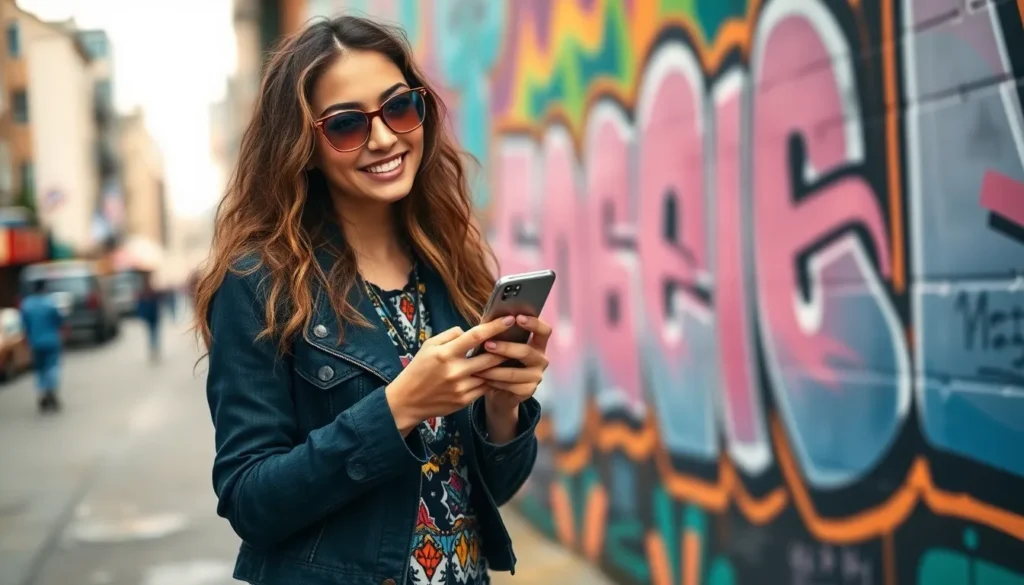
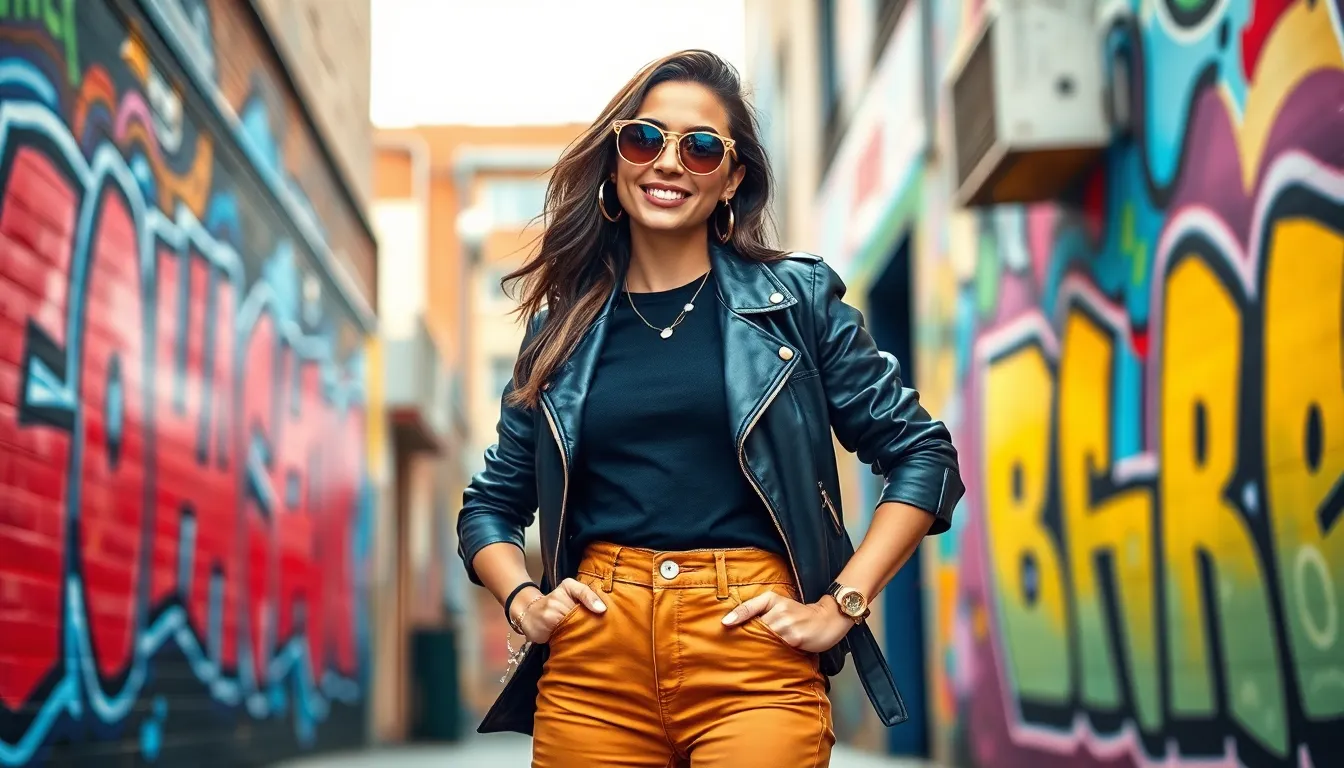
In a world where a single Instagram post can launch a new fashion craze, social media has become the ultimate runway. From TikTok challenges to Pinterest boards overflowing with inspiration, trends are born and die faster than one can say “influencer.” It’s not just about what’s in your closet anymore; it’s about how many likes your outfit gets.
Imagine scrolling through your feed and suddenly finding yourself inspired to swap your sweatpants for a vintage blazer. Social media fashion trends have the power to transform everyday wardrobes into style statements. With the right hashtag, even that quirky thrift store find could become the next big thing. So buckle up and get ready to dive into the wild world of social media fashion trends, where creativity knows no bounds and every outfit tells a story.
Social Media Fashion Trends
Social media significantly influences fashion trends, creating an evolving landscape where styles change rapidly. Instagram, TikTok, and Pinterest serve as vital platforms for designers and influencers showcasing their latest creations. Visual imagery captures attention, driving engagement and inspiring users to adopt new looks.
Users often react to trending styles with immediacy, leading to viral moments where specific outfits gain massive popularity. Influencers play crucial roles, as they curate styles that resonate with their followers. When influencers post outfit ideas, they spark conversations around fashion, encouraging users to participate.
Brands recognize this power and leverage social media to reach wider audiences. Campaigns driven by user-generated content create authentic connections, allowing consumers to showcase how they style products. Compelling user stories enhance brand loyalty while fostering a community around shared interests in fashion.
Statistical data highlights the swift nature of trend cycles; trends can emerge within days and wane just as quickly. Algorithms on these platforms prioritize visibility, ensuring the most engaging content reaches broader audiences, amplifying trends further.
Collaboration between brands and influencers exemplifies how social media shapes new fashion paradigms. This partnership creates innovative marketing strategies that keep pace with shifting consumer preferences. As a result, the fashion landscape continually adapts, influenced by active participation from users and brands alike.
Moving forward, these platforms will undoubtedly remain essential in defining what’s in vogue, illustrating the dynamic relationship between social media and fashion trends.
Impact of Social Media on Fashion
Social media profoundly influences fashion trends, transforming how style is perceived and expressed. Platforms like Instagram and TikTok generate instantaneous fashion cycles.
Influence of Influencers
Influencers shape fashion by curating styles that resonate with audiences. They often showcase outfits that gain traction through likes and shares. Viral moments stem from their ability to present unique looks, prompting followers to emulate these trends. This influence leads brands to collaborate with popular figures, creating marketing campaigns that directly reach target demographics. The reach and engagement metrics of influencers highlight their role in shaping consumer behavior.
Role of User-Generated Content
User-generated content plays a crucial role in fashion marketing. Authentic images and videos shared by customers foster community and trust among brands and consumers. Brands frequently highlight user-generated posts to showcase real-world applications of their products. This strategy not only amplifies brand loyalty but also encourages others to contribute their fashion expressions online. Engagement through user-generated content leads to a vibrant online community, driving trends and influencing purchases effectively.
Key Social Media Platforms
Social media platforms significantly shape fashion trends, each contributing uniquely to how styles emerge and spread.
Instagram
Instagram serves as a visual hub for fashion inspiration. Users post outfits showcasing personal style, creating a vibrant community around fashion. Brands leverage Instagram’s visual storytelling through influencers who curate aesthetically pleasing feeds. Engagement drives trends, where popular posts can spark viral moments. Fashion weeks and designer showcases gain additional visibility as designers share their collections in real time. Followers look to trending hashtags for outfit ideas, connecting styles from diverse genres. By promoting styles through influencers, Instagram enhances brand visibility and encourages user participation, effectively influencing purchasing decisions.
TikTok
TikTok impacts fashion trends through short, engaging videos. Users often create “outfit transformations” that captivate audiences, encouraging quick consumption of style ideas. Trends, such as “Get Ready With Me” or styling challenges, frequently gain traction, inspiring massive participation. Influencers utilize popular sounds and hashtags to enhance visibility, while spontaneous creativity often leads to unexpected viral trends. This platform fosters a sense of community, where users share style tips and encourage each other to explore new looks. TikTok’s algorithms prioritize content that resonates with viewers, amplifying the reach of fashion trends rapidly.
Pinterest
Pinterest acts as a digital mood board for fashion enthusiasts. Users pin images that inspire their style, creating personalized collections that reflect individual tastes. The platform excels at generating search traffic, driving significant interest in seasonal trends and DIY fashion ideas. Fashion brands benefit from Pinterest by linking directly to their products, making it easier for consumers to shop. Users often share outfits and style guides, contributing to a collaborative environment. This visual discovery platform cultivates creativity and encourages exploration, influencing what’s in style as users curate collections of their favorite looks.
Emerging Trends in Fashion
Social media continues to shape emerging fashion trends, impacting consumers’ preferences and choices. Specific styles resonate strongly within the online community, creating new movements.
Sustainable Fashion
Sustainable fashion emerges as a critical theme. It emphasizes environmentally friendly practices in material sourcing and production. Many brands focus on reducing waste and promoting ethical labor standards. Consumers increasingly seek sustainable options, showcasing eco-conscious designs on platforms like Instagram and TikTok. As influencers highlight sustainable brands, awareness around conscious consumerism grows. Transparency in supply chains appeals to shoppers, making sustainability an attractive attribute. This shift influences traditional fashion, pushing legacy brands to adopt greener approaches.
Vintage and Thrifted Styles
Vintage and thrifted styles dominate the fashion conversation. Unique and one-of-a-kind pieces attract attention, often showcased in user-generated content. Thrift shopping allows individuals to discover rare garments while supporting sustainable practices. Platforms like TikTok foster excitement around upcycling and styling vintage finds. Influencers often share their thrifting experiences, encouraging followers to delve into second-hand shopping. As nostalgia takes center stage, consumers embrace retro styles from past decades. This trend emphasizes creativity and individuality, allowing wearers to express their distinct personalities through curated fashion choices.
Challenges in Social Media Fashion
Social media’s influence on fashion faces multiple challenges that affect both creators and consumers.
Impact on Mental Health
Fashion trends on social media can create unrealistic standards. Constant exposure to idealized images often leads to comparison, which impacts self-esteem. In many cases, individuals may feel pressured to keep up with ever-changing styles, resulting in anxiety. Content creators also experience stress, as they strive to maintain their popularity and relevance. This pressure can detract from the authenticity and joy of fashion expression. Balancing engagement and mental well-being is crucial for both influencers and followers.
The Fast Fashion Dilemma
Fast fashion thrives on social media platforms, but it poses serious environmental challenges. Quick turnaround times often mean poor-quality production practices. Consumers frequently purchase items for short-lived trends, resulting in significant textile waste. Sustainable alternatives struggle to compete against the allure of low-cost fashion. Brands in the fast fashion sector capitalize on rapid trend cycles, often prioritizing profit over ethical practices. Increased awareness of sustainability among consumers pushes brands to reconsider their strategies.
Conclusion
Social media has revolutionized the fashion industry by creating a fast-paced environment where trends can emerge overnight and fade just as quickly. The influence of platforms like Instagram and TikTok is undeniable as they shape consumer preferences and promote sustainable practices.
As vintage and thrifted styles gain popularity, individuals are embracing creativity and individuality in their fashion choices. While challenges such as mental health concerns and the impact of fast fashion persist, the ongoing dialogue around sustainability encourages brands to adapt.
The future of fashion is undoubtedly intertwined with social media, offering endless possibilities for innovation and expression.